
If you’re on a GLP-1 journey, think of this as your data-driven wellness playbook—simple habits, backed by science, that help you feel and perform your best.
GLP-1 medications are changing the game when it comes to weight loss and metabolic health. But while the science is powerful, your daily habits make the biggest difference. The data tells a clear story: people who combine medication with healthy routines see the best—and longest-lasting—results
1. Focus on Nutrient-Dense Foods
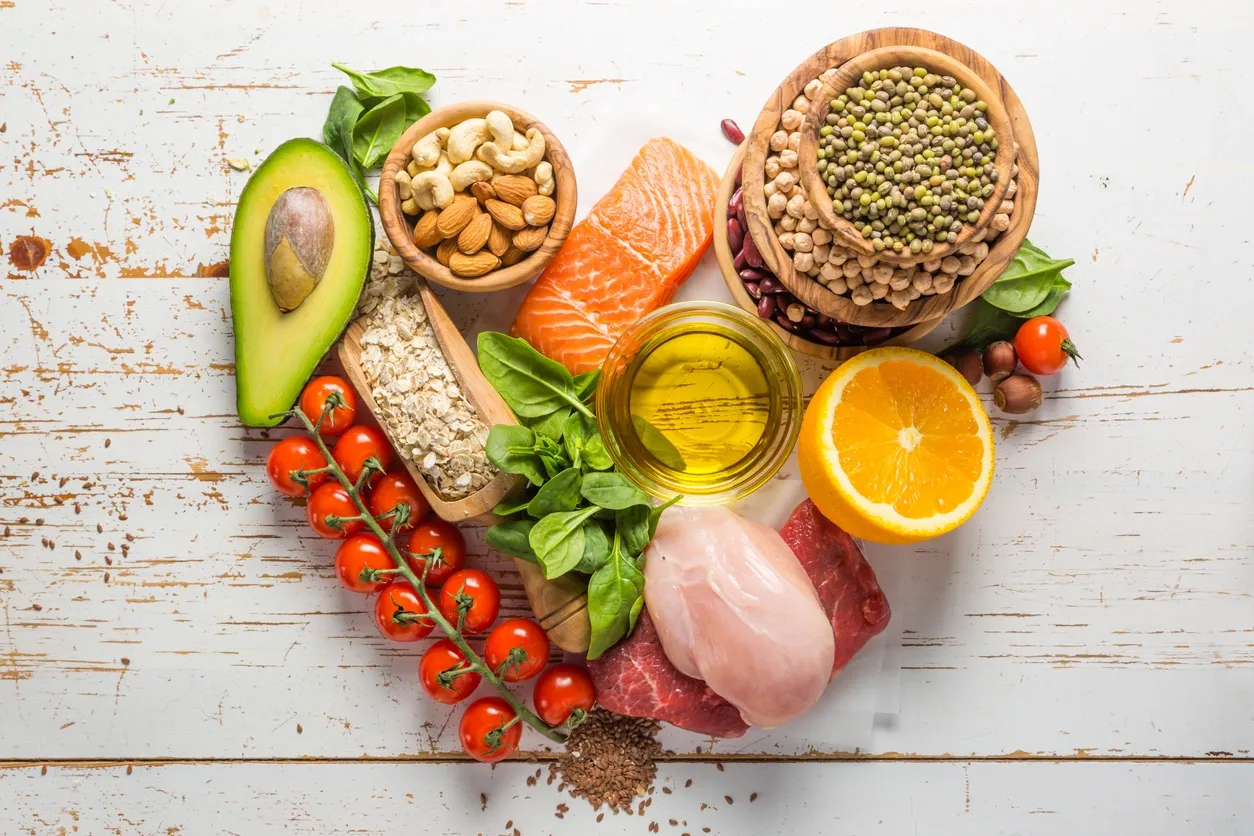
More than half of people on GLP-1 medications hit meaningful weight-loss milestones (5% or more) when they build meals around real, whole foods packed with protein and fiber. Think colorful veggies, lean proteins, and whole grains. A balanced plate not only boosts success but can ease the digestive issues that sometimes come with treatment.
2. Know (and Limit) Your Trigger Foods
Roughly 17% of GLP-1 users lose 10% or more of their total body weight—but progress can stall when processed foods and fried fats sneak back in. Research shows plant-based and low-inflammatory diets support smoother digestion and better results overall. Pay attention to what your body tolerates best.
3. Drink More Water Than You Think You Need
Hydration is one of the most common challenges for GLP-1 users. About one in four people report dehydration or constipation as reasons for quitting early. Keep water handy throughout the day and go easy on alcohol—it really does make a difference in how you feel and how well your medication works.
4. Move a Little (or a Lot)
Here’s a powerful stat: regular movement can double your odds of succeeding with long-term weight loss. Even 15 minutes of moderate activity a day—brisk walking, yoga, strength training—helps preserve muscle and maintain motivation. The best workout is the one you’ll actually enjoy and repeat.
5. Eat Smaller, More Frequent Meals
Slow, steady, and small wins the race. People who shift to smaller, more frequent meals are 30% more likely to stay on their medication past the first year. Eating slowly and chewing thoroughly can also reduce nausea and help your body better absorb nutrients.
6. Protect Your Sleep and Manage Stress
Up to 75% of people stop GLP-1 therapy within a year—and stress and sleep struggles are big reasons why. When your nervous system is taxed, routines fall apart fast. Create gentle structure around rest and recovery: consistent bedtimes, light movement, quiet mornings, and simple stress-relief rituals.
7. Track What Matters (and Celebrate Progress)
In one study of more than 2,000 people, those who tracked their habits lost about 6 pounds more than those who didn’t. Writing things down—or using a simple app—keeps you accountable and reminds you how far you’ve come. Focus on progress, not perfection.