
One of the first questions almost everyone asks when starting GLP-1 medications is, “So… what do I eat now?”
It’s a fair question—and an important one. These medications reshape how your body and brain respond to hunger, so learning to eat with mindful eating and mindful nutrition in mind becomes the key to feeling your best, reducing side effects, and maintaining results long-term.
How GLP-1s Affect Your Appetite
Medications like semaglutide, tirzepatide, and liraglutide work directly on the brain’s appetite centers. They help you feel full faster, quiet that constant “food noise,” and make cravings less intense. Within a few weeks, most people notice big changes:
- Meals get smaller—you might feel full after half your usual portion.
- Cravings for sugary or high-carb foods often fade.
- Digestion slows down, so you stay satisfied longer—but that also means greasy or heavy meals can trigger nausea if you eat too fast.
In short: your relationship with food shifts. You’ll probably start eating slower, lighter, and with more awareness—which can actually be a really positive reset.
What to Eat to Feel (and Do) Your Best
Research is clear: success on GLP-1s isn’t about restriction—it’s about nourishment. Here’s what works best:
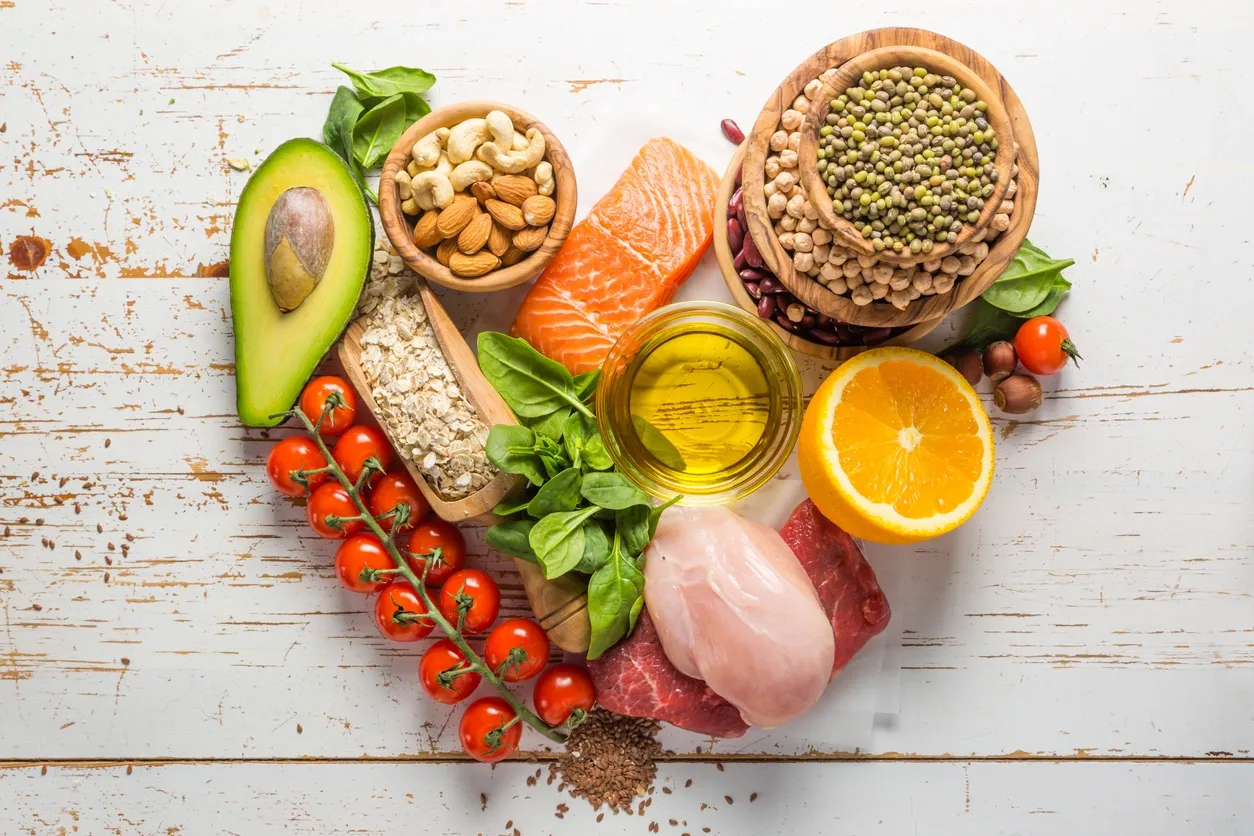
- Load up on protein. Aim for at least 1.2 grams per kilogram of body weight (around 80 g for a 150-lb person). Think eggs, lean meat, fish, tofu, beans, and Greek yogurt. Protein keeps your energy steady and helps maintain muscle as the weight comes off.
- Make fiber your friend. Fiber keeps your gut happy and combats constipation—a common side effect. Try oats, berries, whole grains, and leafy greens.
- Hydrate like it’s your job. Slower digestion can mean dehydration sneaks up on you. Aim for 6–8 glasses of water a day, and a bit more if you exercise.
- Go small and steady. Instead of three large meals, try four or five smaller ones. You’ll stay nourished, reduce nausea, and make each bite count.
Foods (and Habits) to Go Easy On
A few things just don’t play nicely with GLP-1s:
- Fried or greasy foods—they can make nausea worse.
- Processed snacks and sugary treats—they spike blood sugar and crowd out nutrition.
- Alcohol—it can worsen dehydration and affect digestion.
- Eating too quickly—your body needs about 20 minutes to register fullness, so slowing down really helps.
Real-World Tips from People Who’ve Been There
- Keep high-protein, high-fiber snacks nearby—like yogurt, nuts, or boiled eggs.
- If solid meals feel heavy early on, go for smoothies, soups, or blended meals.
- Use an app (or a simple journal) to track how much protein and water you’re getting.
- If nausea strikes, stick with bland, easy options like rice, crackers, or bananas—and sip ginger tea.
What Users Are Saying
In a recent survey, 13% of U.S. adults reported trying a GLP-1 medication, and over 40% said they used it for weight loss. Most described adjusting meal size and structure as one of the biggest turning points in their journey.
The Bottom Line
GLP-1 medications change how your body responds to food—but that can be a powerful opportunity to build healthier habits. When you focus on protein, fiber, hydration, and mindful eating, you set yourself up for fewer side effects and much better long-term results.
Every small adjustment counts—and your body will thank you for the extra care and attention.
So tell us—what eating shifts have helped you most? Share your favorite food swaps or meal strategies in the comments. You never know who your story might inspire.